Catchy & Engaging Introduction
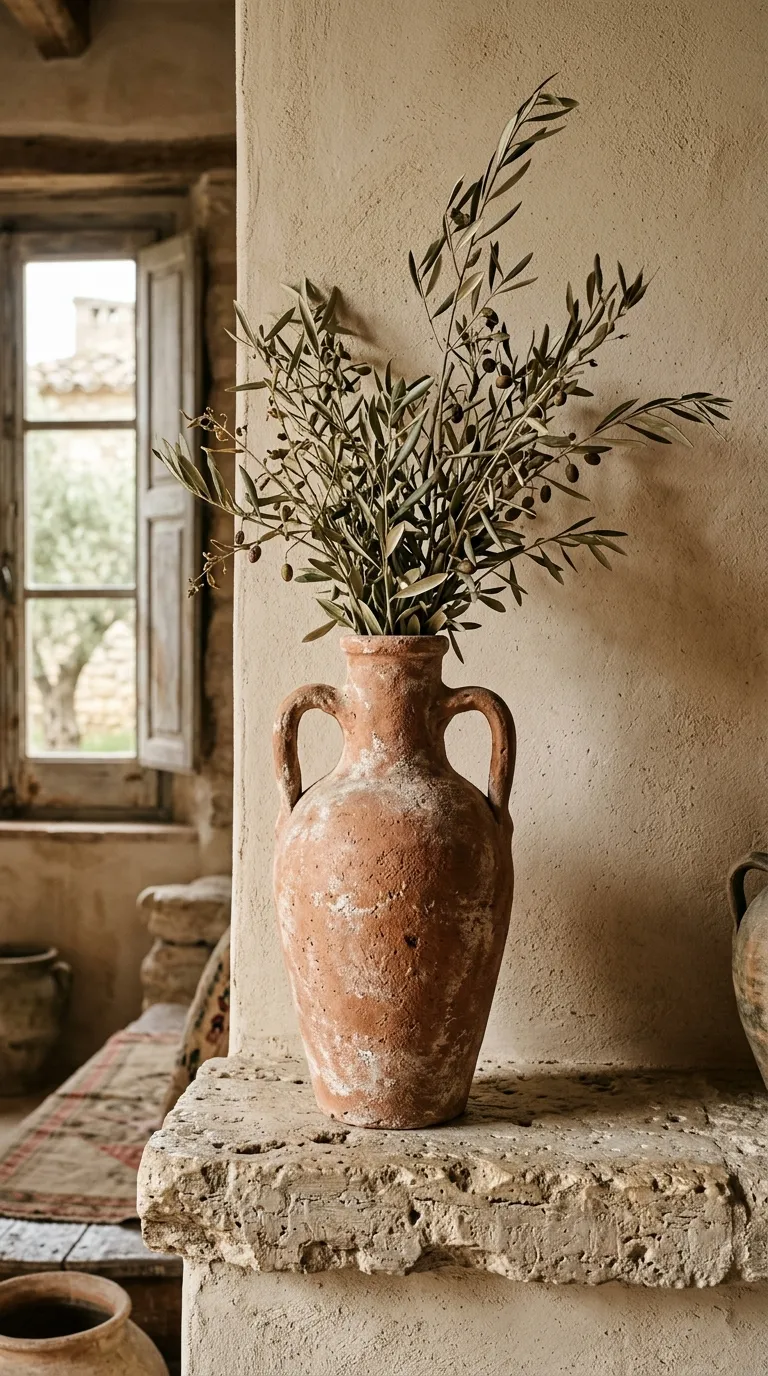
Upcycling glass bottles with clay transforms ordinary discarded packaging into tactile art vases, fantastical fairy dwellings, faux-ceramic vessels, and sculptural home decor. Glass provides an ideal rigid, waterproof armature, while clay brings organic dimension, surface texture, and limitless sculptural potential.
The secret to elevated clay bottle crafting lies in glass surface preparation, mechanical bonding, and balanced drying. Because clay shrinks as it cures or dries while glass remains completely rigid, mastering adhesion primers, expansion allowances, and moisture sealants ensures your creations never crack, peel, or pop off over time.
Whether using air dry clay, oven-bake polymer clay, or two-part epoxy clay, these ten curated projects deliver step-by-step assembly blueprints, material formulas, and production-ready visual prompts.
Why This Idea Is Trending & Flattering
-
Zero-Waste Sustainable Art: Repurposes wine, olive oil, and beverage bottles into high-end home accents and artisan gifts.
-
Built-In Waterproof Core: The inner glass vessel holds water for fresh flower arrangements while the outer clay shell remains dry and protected.
-
Accessible Mixed-Media Canvas: Combines sculpting with painting techniques like faux stone aging, dry-brushing, gold leafing, and mosaic inlays.
-
Sculptural Freedom: Glass provides an instant, stable skeleton, eliminating the need to construct complex interior wire or foil armatures from scratch.
-
Budget-Friendly Luxury: Delivers the look of expensive Mediterranean pottery, stoneware jugs, and gothic apothecary bottles for the cost of craft clay.
Glass Prep, Clay Types & Structural Foundation Guide
Core Clay Formats & Compatibility
-
Air Dry Clay (DAS, Paper Clay, Terracotta): Best for large-scale coverage, stoneware textures, and fairy houses. Note: Shrinks roughly 5–8%; requires a flexible PVA glue bond to prevent detachment from smooth glass.
-
Polymer Clay (Sculpey Premo, Fimo, Cosclay): Zero shrinkage during baking; cures durable and slightly flexible. Bake glass and clay together at $265^circtext{F to }275^circtext{F}$ ($130^circtext{C to }135^circtext{C}$). Always place the glass bottle into a cold oven and allow it to cool inside to prevent thermal shock.
-
Two-Part Epoxy Putty (Apoxie Sculpt): Self-curing, zero shrinkage, and bonds permanently to glass without adhesives; ideal for load-bearing handles and ultra-fine filigree.
Essential Glass Prep Steps
-
Degrease & Clean: Strip labels and soak bottles in warm soapy water. Wipe the exterior thoroughly with 90% isopropyl alcohol to remove skin oils.
-
Create Mechanical Tooth: Lightly scuff smooth glass with 120-grit sandpaper or apply a coat of matte acrylic gesso/PVA glue to give the clay surface grip.