Crafting a personalized backpack is an excellent way to combine practical daily utility with unique style, structural durability, and customized organization. A handmade bag serves as a functional accessory that allows sewing enthusiasts to experiment with heavy-duty textiles, master complex hardware installation, and design a custom storage layout. This comprehensive guide outlines ten distinct methods for transforming canvas, denim, leather, and technical fabrics into highly durable, beautiful, and secure backpacks. Readers will learn how to properly analyze fabric weight, execute stable seam reinforcement, install heavy-duty zippers, and attach comfortable, load-bearing shoulder straps. Whether your goal is to construct a simple drawstring pack for light errands or sew a multi-pocketed travel rucksack, these structured strategies offer high-quality alternatives to commercial bags. Understanding the core principles of seam finishing, hardware tension, and weight distribution ensures your final carryall remains structurally sound and comfortable under loads. By focusing on reliable construction processes and clean design styles, this tutorial delivers the necessary step-by-step guidance to execute a successful home sewing project that elevates your daily travel experience.
The growing demand for custom, durable carryalls highlights a significant shift toward slow fashion, sustainable materials, and highly functional accessory organization. On online inspiration boards and social media platforms, creators actively search for practical Pinterest ideas that balance visual appeal with durability, making handmade bags one of the most trending ideas in modern textile crafts. This project type delivers immediate practical value because it completely customizes interior storage pocket dimensions for specific laptops, water bottles, and accessories without requiring expensive custom manufacturing. The strong DIY appeal stems from the widespread availability of heavy-duty cotton canvas, water-resistant cordura, high-quality metal zippers, and adjustable webbing straps that streamline home production. Beginner friendly assembly methods ensure that individuals with basic machine sewing skills can still achieve a professional, polished finish on their first attempt. By utilizing standard home sewing tools and straightforward construction steps, anyone can upgrade their accessory collection to reflect a clean modern design or a sleek minimalist style. This high accessibility allows creators to produce meaningful, high-utility handmade items on a modest budget.
Thorough material selection and careful structural planning are critical requirements for achieving a durable, tear-resistant finish on any finished backpack project. Before initiating your creative project, you must plan your pattern dimensions accurately, documenting the necessary fabric yardage, structural seam allowances, zipper lengths, and hardware strap weights. The primary materials required will vary based on your selected aesthetic, but generally include heavy-duty cotton duck canvas, water-resistant polyester fabrics, lightweight nylon lining sheets, heavy-duty closed-cell foam padding, and continuous zipper tape. Essential tools for these sewing upgrades include a heavy-duty sewing machine, denim or leather machine needles, a rotary cutter with a self-healing cutting mat, heavy-duty fabric shears, fabric clips, a web melting flame tool, and a seam roller. Planning considerations must prioritize structural integrity above all else, ensuring that all stress points like strap anchors and zipper corners are double-stitched or boxed to prevent tearing under load. Gathering all your materials and cleaning your sewing machine beforehand prevents needle breakage and ensures a smooth, continuous stitching process.
Idea 1: Classic Canvas Everyday Rucksack
Step-by-Step Guide
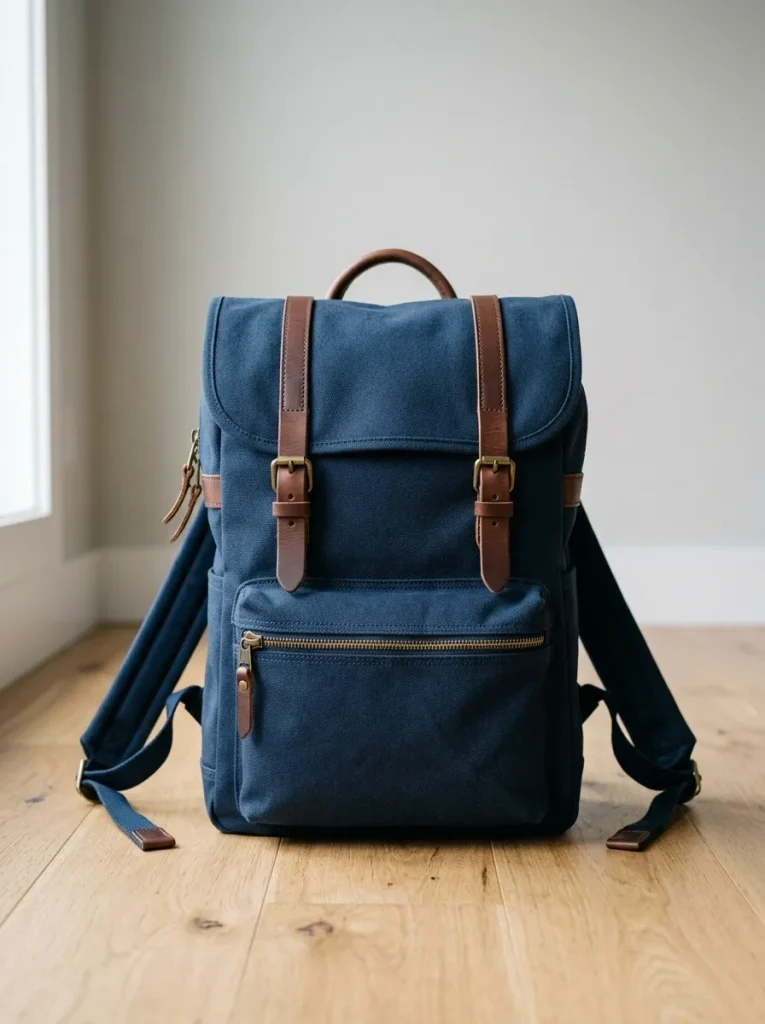
The classic canvas everyday rucksack combines traditional styling with rugged durability, making it an exceptional option for students, commuters, and daily errands. This design concept relies on a structured, rectangular silhouette made of heavy-duty cotton duck canvas, featuring a spacious main compartment, a secure zippered front pocket, and adjustable padded shoulder straps. The visual presentation utilizes a solid, neutral-colored exterior fabric paired with contrasting metal zippers and leather accent pulls that add a timeless heritage aesthetic. Because the heavy canvas fabric naturally holds its shape, this rucksack stands upright when placed on flat surfaces, keeping your interior items organized and easy to access. This specific design is highly effective for practicing foundational bag-making skills like sewing straight boxed corners, attaching zippers, and creating padded lining pockets.
To execute this sewing installation, begin by cutting two main body panels measuring twelve inches wide by sixteen inches high from your heavy canvas exterior fabric and your nylon lining material. Cut a long, three-inch-wide strip of canvas to serve as the bottom and side gussets, ensuring the length matches the perimeter of the main panels. Align the zipper tape along the top edge of the front pocket panel, pinning it secure with fabric clips before stitching it down using a specialized zipper foot on your sewing machine. Insert thick closed-cell foam pads inside the shoulder strap panels, topstitching the edges to secure the padding before sewing the strap ends firmly to the top back panel using a reinforced box-stitch pattern. Align the outer shell and lining panels with their right sides facing, stitch around the entire perimeter, and turn the bag right-side out through the main zipper opening.