10 Hair Dye Ideas Short Hair Blue
Short hair provides a dynamic canvas for bold color experimentation, and blue remains a top choice for those seeking a modern, high-impact aesthetic. Whether you prefer deep midnight tones, soft pastel hues, or electric neon shades, blue hair dye offers versatile options that transform any haircut into a statement piece. This guide explores creative approaches to incorporating blue into short hair, focusing on technical application, maintenance, and stylistic balance. Readers will learn how to select the right shade for their skin tone, the necessity of proper lightening before application, and methods to maintain color vibrancy over time. Understanding the foundational requirements for bleaching and toning is essential, as blue pigments behave differently depending on the porosity and existing color of the hair strands. By following these professional techniques, you can achieve a salon-quality result that enhances your natural features while embracing a trending, edgy look. This article serves as a comprehensive resource for anyone ready to transition to a vibrant blue hairstyle, ensuring that the process is both manageable and visually rewarding. Explore these methods to elevate your personal style through intentional color placement and care routines designed to keep your short hair looking fresh, healthy, and stylishly unique.
Why Blue Short Hair is a Trending Aesthetic
Blue hair has solidified its place as a staple in modern style, particularly for short haircuts where color intensity truly shines. The popularity of this trend stems from its unique ability to bridge the gap between edgy alternative aesthetics and polished, high-fashion looks. When applied to short styles like pixies, bobs, or textured crops, blue dye creates a sense of depth and movement that is difficult to achieve with traditional colors. Beyond visual appeal, blue dye is an accessible way to experiment with self-expression, as the sheer variety of shades—from icy silver-blue to deep navy—allows for customization that fits diverse personal preferences. DIY enthusiasts find the process highly rewarding because short hair requires less product and shorter processing times compared to long hair, making it a beginner-friendly endeavor for those new to at-home coloring. Furthermore, the rise of social media platforms has made these creative ideas more attainable, showcasing how blue hues can complement various textures and cuts. By understanding the underlying principles of color theory and hair health, you can participate in this trend effectively, ensuring that your hair remains a vibrant, healthy, and celebrated part of your overall personal brand.
Essential Materials and Preparation for Success
Successful hair coloring begins with thorough planning and the right collection of materials. Before applying any pigment, ensure you have a high-quality lightening kit, as most blue dyes require a pale yellow or platinum base to appear true to color. Gather essential tools including a non-metallic mixing bowl, a professional-grade tint brush for precise application, and sectioning clips to manage your short hair efficiently. You will also need a pair of protective gloves, a cape or old towel to shield your clothing, and petroleum jelly to protect the skin around your hairline from staining. Preparation extends beyond supplies; it involves assessing the current condition of your hair. If your hair is damaged or overly porous, consider a series of deep conditioning treatments in the weeks leading up to the process. Additionally, perform a strand test on a small, inconspicuous section of your hair to determine how the dye reacts to your specific hair type and to preview the final color. A well-prepared workspace and a clear understanding of the steps involved significantly reduce the risk of uneven application and ensure a professional, clean result that lasts longer between salon visits.
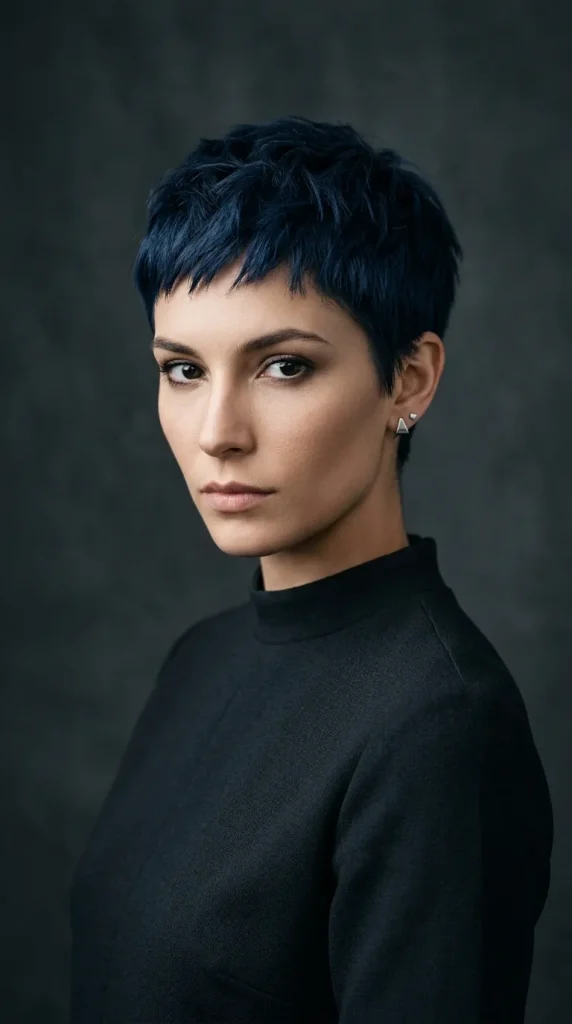
Idea 1: Deep Navy Pixie Transformation
The deep navy pixie is a sophisticated choice for those desiring a bold look without the brightness of electric blue. This aesthetic relies on a dark, saturated pigment that offers a sleek, almost metallic sheen, making it an excellent option for professional settings or minimalist style lovers. The depth of navy blue creates a rich contrast against the scalp and facial features, drawing attention to the precision of the haircut itself. By choosing a darker, more muted shade, you avoid the high-maintenance requirements often associated with lighter pastels, as navy pigment tends to be more forgiving during the fading process. This look works exceptionally well on individuals with cool or neutral undertones, as the blue base harmonizes with the natural complexion to create a cohesive, intentional appearance. When executed correctly, the navy pixie offers a timeless quality that transcends temporary trends, providing a versatile foundation that pairs effortlessly with various fashion choices. The color depth emphasizes the texture of a pixie cut, particularly when paired with subtle styling products that add shine and definition, highlighting the artistic nature of the dye job while maintaining an overall refined and polished finish.
To achieve this look, start by lightening your hair to a level eight or nine to ensure the navy pigment does not turn murky or muddy. If the hair is too yellow, the blue will appear green; therefore, using a violet-based toner is a critical step in the execution process. Once the hair is correctly prepped and dried, apply the navy blue dye evenly throughout the short sections, ensuring total saturation from roots to tips. Because short hair allows for high visibility, take the time to section the hair into small parts, using the tint brush to work the color into the hair shafts thoroughly. Allow the dye to process according to the specific instructions on your product label, typically between thirty to forty-five minutes, then rinse with cool water until the stream runs clear. Avoid shampooing for at least forty-eight hours after the application to allow the color molecules to fully set within the hair cuticle. For ongoing maintenance, use sulfate-free products designed for color-treated hair to preserve the integrity of the navy shade, ensuring the pigment remains vibrant and uniform for as long as possible.

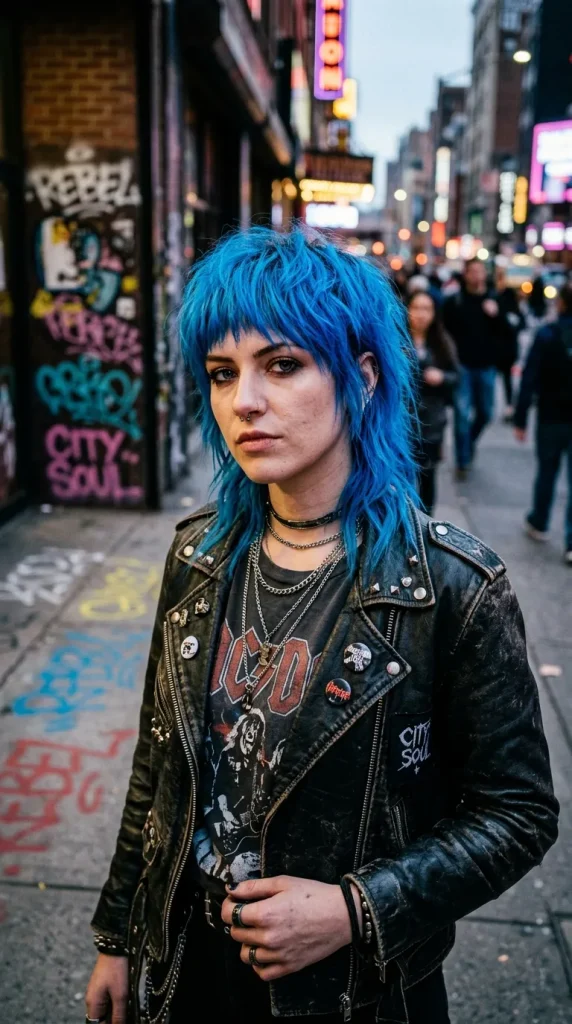
Idea 2: Electric Blue Textured Wolfcut
Electric blue is a vibrant, high-energy choice that brings a futuristic edge to textured haircuts like the wolfcut. This specific shade is characterized by its intense saturation and ability to reflect light, making it a standout feature for those who want their hairstyle to serve as a primary accessory. The wolfcut, defined by its choppy, layered structure, gains an added layer of visual interest when colored in this shade, as each layer catches the light differently. This aesthetic is inherently modern and leans into a bold, creative energy that is perfect for those who enjoy experimenting with their look. The electric blue tone is particularly effective for people with warm or golden skin tones, as the high-contrast vibrancy balances the complexion, creating a harmonious yet striking appearance. Beyond just the color, the choice of an electric hue signals a willingness to engage with trending ideas in beauty, positioning your hair as a focal point of your overall style. Whether you are aiming for a street-style look or a high-fashion editorial vibe, the electric blue wolfcut provides a robust platform for self-expression, combining structure with vivid, eye-catching color.
Executing the electric blue look requires a clean, white-blonde base, as any lingering yellow tones will significantly alter the final result. Begin by performing a professional-grade bleach process, ensuring your hair is lifted to a level ten, which is essentially platinum. Once the hair is prepared, apply the electric blue pigment section by section, starting at the crown and working down to the nape, focusing on the layers that define the wolfcut. The layered nature of this haircut makes it an ideal candidate for subtle lowlights or color melting, where you can incorporate a slightly darker blue at the roots to create depth and dimension. After the color is applied, cover the hair with a plastic cap to keep it warm, which helps the pigment penetrate the cuticle effectively. Process the hair for the recommended time before rinsing thoroughly with cold water to lock in the vibrancy. Because electric blue is prone to faster fading, integrate a color-depositing conditioner into your weekly routine to refresh the shade without needing a full re-application, ensuring your textured cut remains sharp and vivid.
Idea 3: Soft Periwinkle Bob
Periwinkle is a unique blend of blue and purple that offers a softer, more delicate aesthetic for short hair. This shade is perfect for those who want a romantic or ethereal look while still participating in the blue hair trend. The inclusion of violet in the color formulation prevents the blue from looking too harsh, resulting in a gentle, dreamy finish that pairs beautifully with soft, rounded bob haircuts. Periwinkle is highly versatile and tends to flatter almost every skin tone, making it a safer option for those who are nervous about committing to a primary blue hue. This color choice exudes a sense of calm and creativity, providing a fresh alternative to standard blonde or brunette tones. It works well in both professional and casual environments, as it is distinct enough to be stylish but muted enough to avoid being overwhelming. The soft periwinkle bob is an excellent choice for individuals with fine or thin hair, as the light color can create the illusion of volume, especially when styled with soft waves or a slight texture, enhancing the overall elegance of the haircut.
Achieving the perfect periwinkle shade depends heavily on the accuracy of your base color. The hair must be lightened to a very pale platinum blonde to ensure the delicate balance of blue and purple remains true; any yellow tones will shift the color toward a muddy lavender or muted gray. Once the base is ready, mix your periwinkle dye according to the intensity you desire—you can often achieve this by diluting a bright blue dye with a small amount of violet dye and a high-quality white hair mask. Apply this mixture evenly throughout the bob, paying special attention to the ends to ensure a consistent finish. Given the pastel nature of this color, it is essential to monitor the processing time closely to prevent over-depositing the pigment. Rinse with cold water and avoid heat styling for a few days to preserve the soft hue. Because pastels are notoriously fast-fading, use a mild, color-safe shampoo and refresh the color once every few weeks with a diluted mixture to keep the periwinkle tone bright and consistent throughout the length of your short bob.

Idea 4: Root Smudge Navy to Sky Blue
The root smudge technique is a masterful way to add dimension to short hair, especially when transitioning between two distinct shades of blue. By keeping the roots a deeper navy and blending them into a lighter, sky-blue mid-length and ends, you create a natural-looking transition that mimics the way hair grows. This technique is particularly useful for short hairstyles where root regrowth can otherwise be very obvious, as the smudged transition hides the demarcation line between natural hair and dyed hair. The contrast between the dark root and the vibrant ends adds a professional, high-end look to your hairstyle, suggesting a deliberate design rather than a simple DIY project. The sky-blue ends provide a playful, bright element that draws attention to the movement of your hair, while the navy roots ground the look, making it more wearable for day-to-day life. This style is incredibly popular in current aesthetic trends because it combines the ease of maintenance with a complex, multi-tonal appearance that elevates any simple haircut into a bespoke, modern style.
To create this look, begin by bleaching the hair fully to ensure a clean slate, though you can leave the very roots darker if your natural hair is already a dark shade and you wish to blend that into the design. Apply the deep navy blue dye to the first inch or two of the roots, pulling it down slightly in uneven sections to create a feathered effect. Next, apply the sky-blue dye to the remaining lengths of the hair, ensuring it overlaps with the navy at the transition point. Use your fingers or a dedicated blending brush to gently work the two colors together where they meet, ensuring there are no harsh lines or blocks of color. This blending process is the most crucial step for a seamless finish. Process according to your dye instructions and rinse with cool water. Because you are working with two different shades, be diligent about using a color-locking spray or mask after the initial rinse, as this will help prevent the colors from bleeding into each other during subsequent washes, maintaining the integrity of the root-to-end transition.

Idea 5: Cobalt Blue Undercut Accent
An undercut provides a hidden or semi-hidden canvas that is perfect for bold, experimental colors like cobalt blue. The cobalt shade is a vivid, primary blue that is exceptionally striking, making it an excellent choice for a dramatic pop of color that can be revealed or hidden depending on your styling. By limiting the blue to the undercut section, you can enjoy the intensity of the color without it being the defining feature of your entire look, which is a great strategy for those with professional constraints. The contrast between the shaved or closely cropped undercut and the longer hair on top creates a sharp, modern aesthetic that highlights the architecture of the haircut. Cobalt blue is a powerful color that demands attention, and using it in an undercut allows for a controlled application that feels intentional and artistic. This idea is particularly well-suited for those who want to embrace bold trends in home decor and personal style, as it offers a clean, high-impact aesthetic that is both practical and fashion-forward.
Execution of the cobalt blue undercut requires careful sectioning to ensure the dye does not bleed into the longer hair on top. Use firm sectioning clips to isolate the undercut area, protecting the rest of your hair with foil or a shower cap if necessary. Since an undercut involves shorter hair, the dye application is relatively quick, but precision is key. Apply the cobalt blue pigment directly to the shaved area, ensuring every strand is fully saturated for a uniform look. Because the hair in an undercut is often shorter and possibly coarser, it may absorb color differently than the rest of your hair, so keep a close eye on the development time. Once processed, rinse the area thoroughly with cold water, taking care to keep the runoff away from the rest of your hair if you have not dyed the top sections. The beauty of this style is its low-maintenance nature; because the undercut grows out quickly, you can frequently change the color or keep it refreshed without needing to commit to a full-head dye job.

Idea 6: Peek-a-Boo Blue Highlights
Peek-a-boo highlights are a classic and beginner-friendly way to introduce blue into short hair without committing to a full-head transformation. This technique involves placing color in the lower, hidden layers of the hair, allowing the blue to reveal itself only when you move or style your hair in certain ways. This approach offers a subtle yet exciting visual element that can be as bold or as muted as you choose. By utilizing thin sections, you can achieve a sophisticated, multi-tonal look that adds depth and movement to your haircut. Blue peek-a-boo highlights are particularly effective in short, layered styles, where the movement of the layers naturally exposes the hidden color. This method is highly recommended for beginners because it minimizes the area of hair that needs to be lightened and colored, significantly reducing the potential for damage and making the maintenance process much more manageable. It is an excellent way to test the waters with blue hair while maintaining a level of discretion that fits various lifestyle needs.
To achieve this, begin by sectioning your hair into a top layer and a bottom layer, clipping the top hair out of the way. Lighten the thin slices of hair you have chosen to dye, ensuring they are lifted to a pale level to allow the blue to shine. Once the hair is lightened, apply your chosen blue pigment to these sections, using foil to wrap the hair and prevent the dye from touching the surrounding strands. This step is crucial for keeping the look clean and avoiding unwanted streaks in your natural hair. Process for the recommended time and rinse, ensuring you keep the dyed sections separate from the rest of the hair until they are completely washed and dried. Because you are only coloring a small percentage of your hair, this style is very cost-effective and requires minimal touch-ups, making it one of the most practical and aesthetic choices for those who are new to the world of DIY hair coloring and want a stylish, low-commitment result.

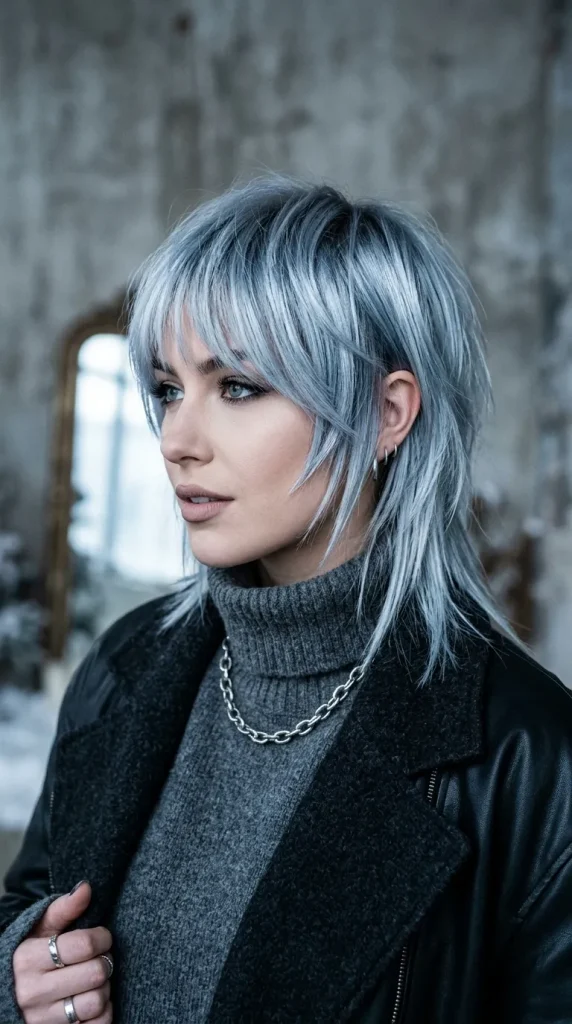
Idea 7: Icy Silver-Blue Shag
The shag haircut is a retro-inspired style that has made a significant comeback, and when paired with an icy silver-blue color, it achieves a modern, avant-garde appearance. This look combines the texture and volume of the shag with a cool, metallic-toned blue that looks almost otherworldly. The silver-blue shade is characterized by its high reflectivity and light-catching ability, which beautifully complements the choppy, layered nature of a shag cut. This aesthetic is perfect for individuals who lean toward minimalist or fashion-forward styles, as the color itself serves as a strong, sophisticated statement. The icy tone is especially flattering on those with fair, cool-toned skin, as it enhances the natural brightness of the complexion. A silver-blue shag requires a bit more effort to achieve, particularly in the lightening phase, but the result is a high-fashion, professional-grade look that stands out in any crowd. It is a bold, artistic choice that reflects a deep understanding of current trends and a willingness to embrace complex, modern color palettes.
Achieving this look requires significant patience and technical precision. The hair must be lightened to a perfect, white-platinum base; any yellow remaining in the hair will interfere with the silver tones, leading to a dull or muddy outcome. Once the hair is lightened to level ten, apply a toner to neutralize any remaining warmth. After the hair is prepped, apply the icy silver-blue dye, which is typically a mix of a cool, diluted blue and a silver or grey pigment. Focus on applying the color evenly to every layer of the shag, using a mirror to ensure you do not miss any spots in the back. Because silver-blue is very delicate, you must avoid over-processing, which can cause the hair to take on a gray or dull appearance. Rinse with cool, clean water and follow up with a protein-rich deep conditioner to restore strength to the hair after the intense bleaching process. To maintain the icy shade, use a blue-toned shampoo once a week to prevent yellowing, ensuring the silver-blue remains crisp and bright.
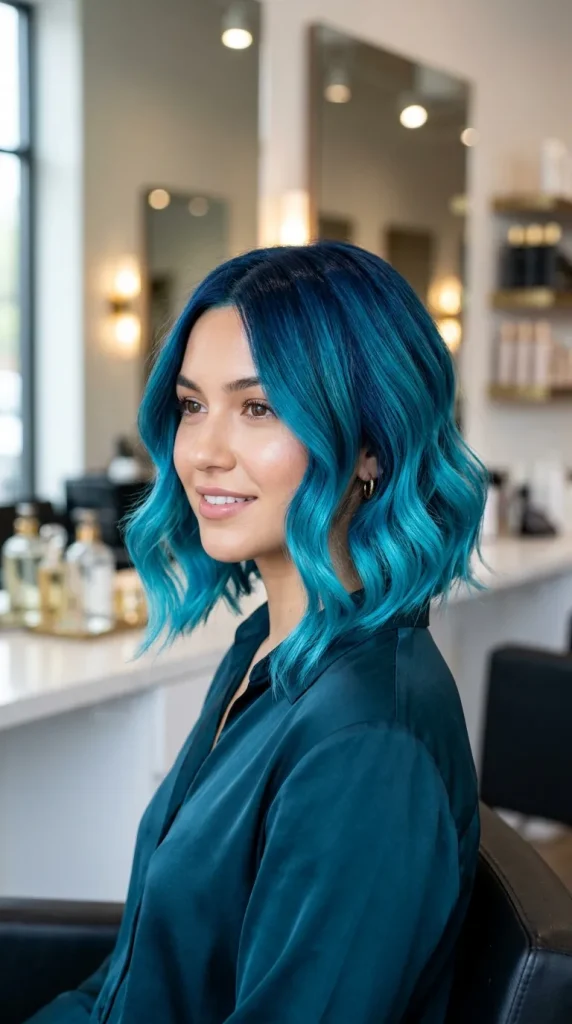
Idea 8: Mermaid Blue Ombre Bob
An ombre effect, where the color transitions from a darker base to a lighter, vibrant blue, creates a stunning mermaid-inspired aesthetic that is both trendy and visually complex. This style is perfect for a bob haircut, as it allows the color gradient to be showcased clearly throughout the length of the hair. The transition typically starts with your natural color or a dark blue at the roots and fades into a brilliant, vivid azure or turquoise at the ends. This ombre effect is incredibly versatile, allowing you to choose the level of intensity that best fits your personal style. The mermaid blue look is often associated with a sense of playfulness and creativity, making it a popular choice for those who want to express their artistic side. By utilizing an ombre technique, you can enjoy a bright, bold color on the ends while keeping the roots lower-maintenance, providing a balanced and stylish result that looks intentional and beautifully executed.
To create this ombre effect, you will need to bleach the hair from the mid-lengths to the ends, ensuring a lighter base at the tips than at the mid-lengths. Apply a darker blue dye to the roots and mid-lengths, then apply your chosen brighter or lighter blue dye to the ends. Where the two colors meet, use a blending brush or your hands to gently mix the two shades together, creating a seamless, gradient transition. This blending is the key to a professional-looking ombre. Once the dye is applied, ensure it is thoroughly saturated and process for the recommended time. Rinse with cold water, being careful to let the colors run downward without mixing too much. Because the ends of your hair are the most porous, they will pick up the color more intensely, which is ideal for this look. Use a moisturizing hair oil or serum on the ends regularly to keep the blue bright and prevent the tips from becoming dry or frizzy, which can detract from the overall aesthetic of the mermaid ombre bob.
Idea 9: Matte Midnight Blue Crop
A matte finish for blue hair offers an understated, sophisticated look that is quite different from the traditional high-shine, vibrant colors. The matte midnight blue crop is characterized by a deep, dark pigment with a velvety, non-reflective appearance, which is achieved through specific styling and product choices. This look is incredibly modern and fits perfectly into a minimalist aesthetic, where the focus is on the shape of the cut and the depth of the color rather than flashy highlights. The midnight blue is dark enough to be subtle, yet the blue undertones become visible under direct light, creating a surprising and intentional reveal. This style is an excellent choice for a short, close-cropped cut, as it emphasizes the precision and texture of the hair. The matte finish can be achieved by using matte-finish hair creams or texture powders rather than traditional shiny serums. It is a bold, confident look that speaks to a refined sense of style, making it a standout choice for those who prefer an edgy, low-key approach to hair color.
To achieve the matte midnight blue, start by lightening your hair to a level seven or eight, as you do not need a platinum base for this darker, more muted shade. Apply a deep, true navy blue dye, ensuring full saturation. Once the hair is processed and washed, the key to the matte finish lies entirely in how you style it. Avoid using oils, shine sprays, or glossing treatments that emphasize reflection. Instead, opt for products specifically labeled for a matte or dry finish, such as a matte texture paste or a dry shampoo that provides a slight, powdery finish. Apply the product while the hair is damp or dry, working it through with your fingers to build texture and remove any natural sheen. This technique provides the unique, non-reflective look that defines the matte midnight blue aesthetic. For maintenance, continue to use color-safe shampoos to prevent the midnight blue from fading prematurely, and re-apply the matte styling product daily to maintain the intended finish, keeping your short crop looking deliberate and stylish.
Idea 10: Neon Blue Tips on Textured Pixie
Neon blue tips offer a focused, energetic pop of color that is perfect for accentuating the movement and texture of a pixie cut. By coloring only the ends of the hair, you draw attention to the choppy, layered structure of the cut, creating a look that is both playful and highly stylistic. Neon blue is a striking, high-visibility color that pairs perfectly with a short pixie, providing a sharp, defined edge to the overall hairstyle. This idea is excellent for those who want a fun, temporary-feeling look that doesn’t require a total overhaul of their hair color. Because you are only dyeing the tips, the process is very quick and easy, making it an ideal weekend project. The neon tips also allow you to experiment with vibrant colors that might be too intense for a full-head application, providing a safe, controlled way to embrace the neon trend. This aesthetic is modern, youthful, and incredibly versatile, making it a great choice for those who love to switch up their style frequently.
To execute this, use a fine-tooth comb to backcomb the ends of your hair, which allows for a softer, more blended application, or keep the ends blunt for a stark, defined line. Apply the neon blue dye directly to the tips, using foil to ensure the color does not bleed into the rest of your hair. Because neon colors are highly pigmented, they will show up well even on hair that has been lightened to a level nine, though a level ten is still ideal. Process for the recommended time and rinse with cold water. Since neon dyes can sometimes fade quickly, you can easily refresh the color by applying the dye to the tips for a few minutes while you are in the shower, making maintenance incredibly simple. Because this is a high-intensity color, be prepared for it to fade into a lovely pastel blue over time, which gives you two different looks in one, extending the life of your creative project and keeping your short, textured pixie looking fresh, vibrant, and fun for weeks.

Common Beginner Mistakes and How to Avoid Them
One of the most frequent mistakes beginners make is failing to adequately lighten their hair before applying blue dye. Blue is a cool-toned pigment, and if it is applied over hair that has significant yellow or orange warmth, the result will inevitably be a murky green. Always use a professional-grade bleach kit and ensure the hair is lifted to the appropriate level—usually platinum or pale yellow—before proceeding with the blue pigment. Another common error is neglecting the strand test, which is a vital step for assessing how your specific hair will react to the dye. Without a test, you risk an uneven application or an unexpected color result that is difficult to correct. Additionally, applying dye to dirty or oily hair can result in patchy color; ensure your hair is clean and free of product buildup before starting. Finally, failing to protect the surrounding skin and clothing often leads to frustrating stains. Always use petroleum jelly around your hairline, ears, and neck, and wear an old shirt that you do not mind staining. Taking these small, deliberate steps prevents common pitfalls and leads to a much more professional and satisfying result.
Practical Tips for Better Results
To achieve salon-quality results, focus on the quality of your base and the consistency of your application. When bleaching, do not rush the process; if your hair does not reach the desired level in one session, wait at least a week before attempting a second round to avoid extreme damage. Use a high-quality, professional-grade tint brush for the application, as the precision it allows is unmatched by standard combs or fingers. Ensure you saturate the hair thoroughly by working in small, thin sections, which ensures that every strand is coated evenly. After applying the dye, consider applying gentle heat with a hairdryer to help the color penetrate deeper into the hair shaft, but be careful not to overheat it, which can cause the color to dry out and lose vibrancy. Always rinse with cool water, as hot water strips color from the hair and contributes to premature fading. Finally, invest in a good, sulfate-free shampoo and a deep conditioner specifically for color-treated hair; these products maintain the vibrancy of the pigment and the health of your hair, ensuring your blue short hair stays looking intentional, glossy, and fresh.
Styling, Presentation, or Organization Ideas
Styling your short blue hair effectively requires products that highlight the color rather than dulling it. For a sleek, modern look, use a smoothing serum or a light hair oil to add a healthy shine that emphasizes the richness of the blue pigment. If you prefer a textured, edgy style, opt for a matte wax or sea salt spray that gives your hair definition and movement, which is particularly effective for pixies and shag cuts. When it comes to organization, keep your hair care products in a dedicated space that is separate from your general skincare to avoid confusion and ensure you always have your color-safe shampoo and maintenance products within reach. If you enjoy changing your style, consider investing in a few hair accessories that complement blue hues, such as silver or minimalist metallic clips, which can elevate your overall aesthetic. Keeping your hair tools organized, such as keeping your tint brushes and mixing bowls together in a labeled bin, will make your future touch-up sessions much more efficient. A well-organized, intentional approach to your hair routine makes maintaining a vibrant blue style feel effortless rather than like a chore.
Budget or Time Planning
Completing a DIY blue hair project efficiently requires careful time and budget planning. By performing the bleach and the color application in two separate sessions, you give your hair time to recover and ensure you are not rushing the critical development steps. Set aside at least four to five hours for the entire process, including preparation, bleaching, resting, and applying the color. Regarding the budget, prioritize high-quality professional-grade dyes and bleach kits, as cheaper, inferior products often result in uneven, quickly fading color that requires even more product to fix. If you are on a tight budget, look for multi-purpose kits that include essential tools, or source individual tools like tint brushes and bowls from local beauty supply stores where they are affordable and durable. Planning your sessions around your social schedule is also important, as the initial application might require a few days of downtime if you want to avoid heat styling or heavy product use. By breaking the project into manageable stages and investing in the right tools, you can achieve a professional, long-lasting look that is both cost-effective and highly satisfying.
Creative Expansion and Advanced Inspiration
Once you have mastered a solid blue hair color, you can explore advanced variations that push the boundaries of your style. Consider incorporating a technique called “color melting,” where you blend two or three different shades of blue to create a multidimensional effect that looks sophisticated and intentional. You could also try adding subtle accents of a contrasting color, such as a sliver of silver or a pop of electric purple, to highlight specific layers of your cut. Another advanced idea is to incorporate intricate patterns, such as star-like dots or geometric shapes using a semi-permanent dye and a stencil, which adds an artistic, high-fashion element to your look. If you are comfortable with your hair health, you can also experiment with temporary, wash-out colors to test new shades before committing to a permanent dye. Engaging with online communities or Pinterest boards for ongoing inspiration is a great way to discover new techniques and stay updated on the latest hair trends. Ultimately, the world of blue hair is vast and continually evolving; use your initial success as a foundation to further experiment with textures, color combinations, and placement techniques that reflect your evolving personal aesthetic.