10 Rich Home Interior Design Ideas
Rich home interior design focuses on creating spaces that feel refined, well-balanced, and visually layered through thoughtful use of space, texture, lighting, and material combinations. It is not limited to large or luxury properties but applies to any home where the goal is to achieve a polished and elevated atmosphere. This approach emphasizes structure, harmony, and intentional design choices rather than excess decoration. In modern Pinterest ideas, rich interiors often reflect a blend of elegance and practicality, where every element serves both aesthetic and functional purposes.
In this article, you will explore ten structured interior design concepts that help transform ordinary rooms into visually rich environments. Each idea is explained in a practical way so it can be adapted for different home sizes and styles. The focus is on clear design methods, material understanding, and layout planning. Whether used for full home renovation or gradual updates, these creative ideas help build a cohesive and sophisticated interior direction.
Why This Idea Is Trending or Useful
Rich interior design has become increasingly popular in modern home styling due to its focus on balance, simplicity, and visual depth. Instead of relying on excessive decoration, this approach highlights structured layouts, layered textures, and intentional color palettes. On platforms like Pinterest ideas boards, users are drawn to designs that feel both luxurious and achievable, making this style widely shared and adapted.
The trend also reflects a shift toward long-term home planning rather than fast decoration changes. Homeowners now prefer DIY-friendly improvements that enhance comfort and visual appeal without requiring large renovations. Rich interior concepts support this by combining minimalist style principles with warm, detailed accents. This makes the design accessible for beginners while still allowing advanced customization. As a result, it fits both budget ideas and premium transformations, making it a versatile approach in modern interior inspiration.
Materials and Preparation
Before starting any rich interior design project, proper planning is essential to ensure consistency and harmony across spaces. Key materials typically include neutral and deep-tone paint options, textured fabrics, wood or stone-inspired finishes, layered lighting sources, and decorative architectural elements such as trims or panels. These materials help build depth and structure within a room, which is central to achieving a rich aesthetic.
Preparation involves evaluating the existing layout and identifying focal points in each room. Measuring wall spaces, assessing natural light, and understanding furniture placement are important early steps. Planning should also include selecting a consistent color palette that flows throughout the home. Tools such as mood boards, sketch layouts, and reference images can help organize creative direction. This stage ensures that every design decision contributes to a unified aesthetic rather than isolated decoration, making the final result more cohesive and professionally styled.
MAIN IDEAS SECTION
Idea 1: Layered Neutral Luxury Living Space
How to Create
A layered neutral living space focuses on building depth through subtle color variations rather than bold contrasts. This concept uses shades of beige, ivory, taupe, and soft gray to create a calm but visually rich environment. The richness comes from layering different textures such as linen, wool, stone, and matte finishes. Instead of relying on decorative overload, this design emphasizes structure and proportion. Furniture placement is carefully arranged to create openness while still defining functional zones within the room. Lighting plays a key role, with multiple sources used to highlight textures and create gentle shadows that enhance depth. This idea aligns strongly with modern minimalist style while still achieving a warm and inviting atmosphere.
To create this design, begin by selecting a neutral base palette for walls and large furniture pieces. Next, introduce layered materials through cushions, rugs, and curtains, ensuring each texture contrasts subtly but remains within the same color family. Natural materials such as wood or stone can be used for accent surfaces to enhance visual grounding. Lighting should include a combination of overhead fixtures and soft ambient sources placed at different heights. Careful arrangement of each element ensures the space feels structured rather than empty. This step-by-step approach allows even beginner-friendly home decor projects to achieve a refined and balanced interior outcome.

Idea 2: Architectural Wall Panel Elegance
How to Create
Architectural wall paneling introduces structure and dimension to flat walls, transforming them into focal design features. This concept is widely used in rich interior design because it adds depth without requiring excessive decoration. Panels can follow geometric patterns or linear layouts, depending on the desired visual effect. The goal is to create rhythm across wall surfaces, making the room feel more refined and intentionally designed. When paired with soft lighting, panel shadows enhance the perception of depth, giving the space a more luxurious identity. This approach works well in living rooms, bedrooms, and hallways where visual impact is important.
To create this design, start by measuring wall dimensions and planning a symmetrical layout. Mark guidelines before applying any structural elements to ensure alignment. Choose consistent spacing between panels to maintain balance. Once installed, the panels can be painted in a unified tone to preserve elegance or slightly contrasted for added definition. Lighting should be positioned to highlight vertical and horizontal lines, emphasizing structure. This method is both DIY-friendly and scalable, making it suitable for budget ideas or advanced renovation projects. The result is a controlled and organized aesthetic that elevates any interior space without overwhelming it.

Idea 3: Soft Ambient Lighting Composition
How to Create
Soft ambient lighting is a fundamental component of rich interior design because it shapes the mood and perception of space. Instead of relying on a single light source, this concept uses multiple layers of lighting positioned at different heights. The combination of ceiling lighting, wall lighting, and floor-level illumination creates a balanced glow throughout the room. This layered approach reduces harsh shadows and enhances material textures, making furniture and decor appear more refined. Warm light tones are typically preferred as they create a comfortable and visually cohesive environment.
To create this setup, begin by identifying key zones in the room that require illumination, such as seating areas, reading corners, or accent walls. Install primary lighting for general brightness, then add secondary sources to highlight specific design features. Decorative lamps or indirect lighting behind furniture can enhance depth. The positioning should ensure even distribution without overwhelming brightness. This method supports modern design principles by combining functionality with aesthetics. It is an easy project for beginners and can dramatically transform home interiors without structural changes.

Idea 4: Textured Natural Material Integration
How to Create
Using natural textures is essential in achieving a rich interior aesthetic because it introduces organic variation into structured spaces. Materials such as wood, stone, cotton, and woven fibers help soften modern interiors while maintaining sophistication. The contrast between smooth and rough surfaces creates visual interest without needing excessive decoration. This concept is often seen in home decor trends where simplicity is elevated through material quality rather than quantity. The result is a balanced environment that feels both grounded and elegant.
To implement this idea, begin by selecting a dominant natural material such as wood for flooring or furniture. Then introduce complementary textures through soft furnishings like cushions, rugs, or curtains. Stone or ceramic elements can be used in accent areas to add weight and stability to the design. It is important to maintain a consistent color palette to avoid visual fragmentation. Each material should serve a purpose in building depth and structure. This approach is highly adaptable and works well in both small and large spaces, making it ideal for creative DIY interior planning.

Idea 5: Symmetrical Space Organization Design
How to Create
Symmetry plays a powerful role in creating visually rich interiors because it establishes order and balance. This design approach focuses on arranging furniture and decor in mirrored or evenly distributed layouts. Symmetrical organization helps guide visual flow and creates a sense of stability within a room. It is commonly used in formal living spaces and bedrooms where structure is important. When combined with minimal decoration, symmetry enhances clarity and sophistication without overwhelming the space.
To create this layout, start by identifying a central focal point such as a sofa, bed, or main table. Arrange furniture evenly on both sides of this point to maintain balance. Decorative elements like lighting, artwork, or side tables should also follow symmetrical placement. Avoid overcrowding the space, as symmetry relies on clarity and spacing. This method is especially effective in minimalist style interiors where structure defines the aesthetic. It is also beginner friendly and requires no additional materials, only thoughtful planning and arrangement.

Idea 6: Dark Tone Accent Sophistication
How to Create
Dark tone accents introduce contrast and depth into interior spaces, enhancing the perception of richness. Instead of covering entire rooms, darker shades are used selectively on walls, furniture, or decorative elements. This controlled use of contrast helps define areas and creates visual focus points. When paired with lighter surroundings, dark accents enhance elegance and add a modern design edge. This approach works particularly well in living rooms and dining spaces where atmosphere is important.
To implement this design, begin with a neutral base and select one or two areas for darker accents. These could include a feature wall, furniture pieces, or shelving units. Ensure the rest of the room maintains lighter tones to balance the composition. Lighting should be adjusted to highlight contrast areas without creating harsh shadows. This method allows flexibility in creative ideas while maintaining harmony. It is suitable for both small updates and larger interior transformations, making it a versatile option in rich home design planning.

Idea 7: Minimalist Decorative Layering
How to Create
Minimalist decorative layering focuses on adding depth through controlled decoration rather than excessive styling. Instead of filling spaces with multiple items, this concept uses a few carefully selected pieces arranged in layers. Each layer contributes to visual storytelling, whether through books, art, or textured objects. The goal is to maintain openness while still introducing personality into the space. This method is widely used in modern design because it balances simplicity with expression.
To create this effect, start by selecting a base surface such as a table, shelf, or console. Place larger objects first, then layer smaller decorative elements in front or around them. Maintain consistent spacing to avoid clutter. Materials should complement each other in tone and texture. Lighting can be used to highlight layered arrangements, adding depth and focus. This approach is highly beginner friendly and requires no complex materials, making it ideal for DIY home decor projects.

Idea 8: Open Space Flow Optimization
How to Create
Open space flow optimization focuses on improving movement and visual continuity within a room. This design concept ensures that furniture placement does not block pathways or disrupt visual balance. Instead, it creates smooth transitions between different functional zones. The result is a spacious and organized interior that feels larger and more comfortable. This idea is essential in modern homes where multifunctional spaces are common.
To apply this concept, begin by analyzing room layout and identifying natural walking paths. Arrange furniture to support these paths rather than obstruct them. Use rugs or lighting to define zones without creating physical barriers. Keep large furniture aligned with walls or central anchors to maintain openness. This method enhances both functionality and aesthetic clarity, making it a core principle in rich interior design planning.

Idea 9: Statement Furniture Focal Strategy
How to Create
Statement furniture serves as the visual anchor of a room, defining its personality and style direction. Instead of multiple competing elements, one or two key furniture pieces are emphasized. These pieces are chosen for their shape, size, or texture, creating a strong focal point. This approach ensures the room feels intentional and curated rather than randomly arranged.
To implement this idea, select one primary furniture item such as a sofa, bed, or table to act as the focal point. Surround it with simpler supporting elements to maintain balance. Avoid overcrowding the space with competing visuals. Lighting should highlight the focal piece to reinforce its importance. This strategy is effective in both minimalist and rich interior design styles, offering a clear and structured visual hierarchy.
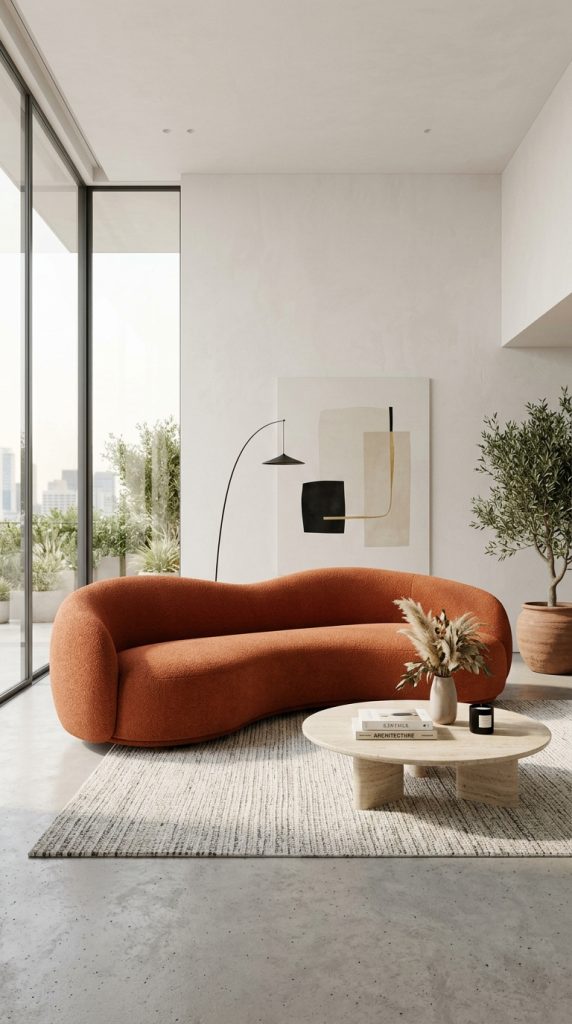
Idea 10: Layered Ceiling and Vertical Design Enhancement
How to Create
Ceiling and vertical design elements are often overlooked but play a crucial role in creating rich interiors. Adding depth to vertical surfaces enhances spatial perception and makes rooms feel more complete. This concept includes subtle ceiling detailing, vertical lines, or layered architectural features that draw the eye upward. The result is a more dynamic and structured environment.
To create this effect, start by evaluating ceiling height and wall proportions. Introduce simple structural lines or layered finishes that enhance vertical flow. Keep designs consistent with the overall color palette to maintain harmony. Lighting can be integrated to emphasize vertical movement. This approach works well in both large and small spaces, adding a refined architectural dimension without overwhelming complexity.

Common Beginner Mistakes and How to Avoid Them
One common mistake in rich interior design is overloading spaces with too many decorative elements, which reduces clarity and balance. Another issue is inconsistent color usage, where too many unrelated tones disrupt visual harmony. Poor lighting placement can also flatten the overall design, preventing textures and materials from standing out. Avoiding these mistakes requires careful planning and restraint. Each element should serve a purpose, whether functional or visual. Maintaining consistency in materials, spacing, and lighting ensures a cohesive result that aligns with modern interior principles.
Practical Tips for Better Results
Better results in rich interior design come from focusing on layering rather than quantity. Combining textures, materials, and lighting creates depth without clutter. Maintaining a unified color palette helps preserve visual harmony across rooms. Planning layouts before making changes ensures better flow and balance. Small adjustments, such as repositioning lighting or refining furniture placement, can significantly improve overall design quality. These techniques are practical, beginner friendly, and align with structured home decor planning.
Styling, Presentation, or Organization Ideas
Styling a rich interior involves careful arrangement of objects to create visual rhythm. Items should be grouped based on height, texture, and proportion. Open surfaces should remain partially clear to maintain balance. Organization plays a key role in preserving elegance, especially in shared spaces. Decorative elements should be distributed evenly rather than concentrated in one area. This approach enhances both aesthetic appeal and functionality, creating a clean and structured environment suitable for modern living.
Budget or Time Planning
Rich interior design can be achieved gradually through phased planning. Instead of complete renovation, small updates such as lighting changes, texture additions, or furniture repositioning can be done over time. Budget ideas often focus on maximizing existing elements rather than replacing them. Time planning should prioritize high-impact areas first, such as living rooms or bedrooms. This step-by-step approach makes the process manageable and accessible while still achieving a refined and cohesive result.
Creative Expansion and Advanced Inspiration
Advanced interior design variations include combining multiple concepts such as symmetry, layering, and architectural detailing within the same space. More complex designs may incorporate custom-built structures or integrated lighting systems. Expanding into full-home thematic planning ensures consistency across all rooms. Creative exploration can also involve experimenting with material contrasts or vertical design enhancements. These advanced approaches build on foundational principles while allowing greater personalization and depth in interior styling.